Stratford-upon-Avon
13 The Courtyard
Timothy's Bridge Road
Stratford-Upon-Avon
Warwickshire CV37 9NP


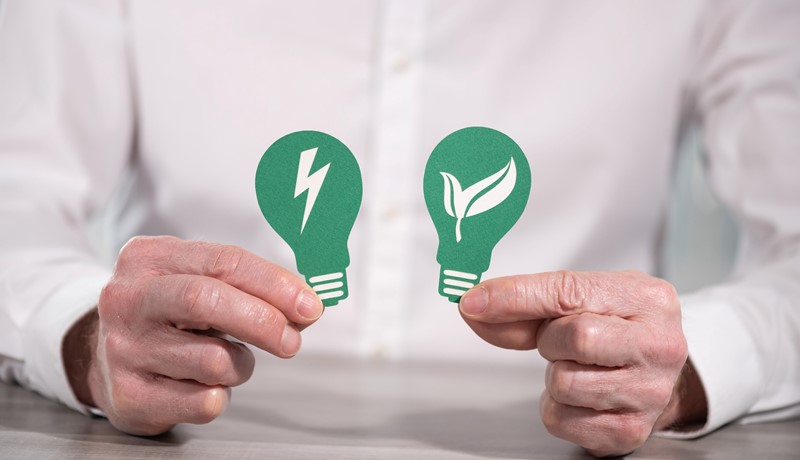
Reducing energy intensity is one of the most practical ways for small businesses to protect themselves from rising energy costs, particularly if global energy markets remain unstable because of the ongoing conflict involving Iran. Oil prices have already surged sharply due to disruption in key supply routes such as the Strait of Hormuz, raising concerns about higher inflation and energy bills worldwide.
For many businesses, energy is a significant operating cost. Surveys suggest that two thirds of UK businesses spend between 5 per cent and 20 per cent of their total outgoings on energy, meaning even modest price increases can have a noticeable impact on profitability
One of the most effective responses is to reduce energy intensity, which means using less energy to produce the same level of output. The first step is often to review how energy is actually used within the business. Installing smart meters or carrying out a simple energy audit can reveal waste that may otherwise go unnoticed. For example, heating and lighting frequently remain on outside working hours, particularly in offices and retail premises.
Lighting is usually one of the quickest improvements. Switching to LED lighting and installing motion sensors or automated timers can cut electricity consumption significantly. Many small firms have already taken this step, with research showing that around 69 per cent of SMEs investing in energy efficiency have upgraded their lighting systems.
Heating and insulation are another important area. Poorly insulated buildings lose heat quickly, meaning boilers or electric heating systems must run for longer periods. Improving insulation, installing programmable thermostats, and maintaining heating equipment can all reduce energy demand. Guidance from energy advisers suggests that better heating controls and reduced heat loss are among the most effective workplace efficiency measures.
Businesses can also review equipment and production processes. Older machinery, refrigeration units, and computers often consume significantly more electricity than newer models. Regular maintenance and gradual replacement of inefficient equipment can therefore produce long term savings.
Finally, some businesses are investing in on site renewable energy such as solar panels. While this requires an initial investment, generating electricity directly can reduce reliance on volatile energy markets and provide greater cost stability.
In uncertain times, improving energy efficiency is often the most reliable hedge against rising energy prices. Businesses that reduce their energy intensity not only cut costs today but also strengthen their resilience against future shocks in global energy markets.
Grenfell James Technology Adoption Index
How does your business perform against others adopting financial tech? Find out with our interactive diagnostic:
1.
How does your business receive invoices?
A)
Invoices are mainly received in paper form
B)
Invoices are mainly received by email
C)
Invoices are emailed then automatically forwarded to a designated mailbox
2.
How are purchase invoices processed?
A)
Invoices are entered manually
B)
Invoices are attached to manually raised invoices
C)
Automated software (e.g. ReceiptBank, 1Tap, HubDoc etc) collates invoices
3.
How are accounts processed?
A)
Using Excel/paper-based
B)
Using Computer-based, offline software
C)
Using cloud-based accountancy software
4.
How often is business data revised?
A)
Data is updated annually
B)
Data is updated quarterly
C)
Data is updated monthly or more often
5.
How is banking updated for your business?
A)
Banking is updated manually
B)
Banking is updated by imports
C)
Banking is updated via a live feed
6.
How are bank payments made?
A)
Bank payments are manual
B)
Bank payments are made using bulk imports
C)
Bank payments are made directly via accounting software
7.
How are bank receipts reconciled?
A)
Receipts are chased and reconciled manually
B)
Receipts are chased and reconciled automatically
C)
A third-party platform is used to chase debts and collect fees
8.
How often are management reports produced?
A)
No reports are provided
B)
Reports are provided but often too late to be valuable
C)
Reports are automated with real-time information
Score 8-12:
Curious Exploration
Your financial technology phase is Curious Exploration
% of respondent businesses are in this phase too.
Switching accountancy systems may seem like an upheaval, but can be much more straightforward than most businesses imagine. From talking to our clients, they have found moving from paper invoicing and desktop-based accounting software to the cloud and apps quickly makes the transition process a worthwhile investment of time. Digital accounting solutions bring in streamlined processes, up-to-date business data and greater confidence in the accuracy of information when making financial decisions.
Grenfell James works with your team to fully assess the needs of your business and minimise the impact of any transitions for solutions we recommend.
Score 13-19:
Measured Discovery
Your financial technology phase is Measured Discovery
% of respondent businesses are in this phase too.
Once cloud accountancy software is in place, there’s still plenty of scope to improve your accountancy processes and make sure your business is maximising the benefits of adopting a digital accounting solution. Grenfell James assesses each business to understand how any implemented solutions are being used, identify areas for improvement and the needs of the business overall to support your business goals and achieve success.
Our team of experts can discuss a range of time-saving automation and get different apps and cloud-based solutions talking to create and manage a digital accountancy eco-system to help your business grow.
Score 20-24:
Bold Innovation
Your financial technology phase is Bold Innovation
% of respondent businesses are in this phase too.
You know the benefits of accounting technology and the impact it can have on your business goals. If you want to take it a step further, our team can conduct a systematic review of your processes, apps and business goals to ensure your digital accountancy ecosystem is keeping pace with the changing needs of a growing business.